







鼻笛怪人とキムチの冒険)The Yeosu Kimchi Chronicles: A Cross-Border Spicy Adventure
2025/09/17
IMG_4629
IMG_4628
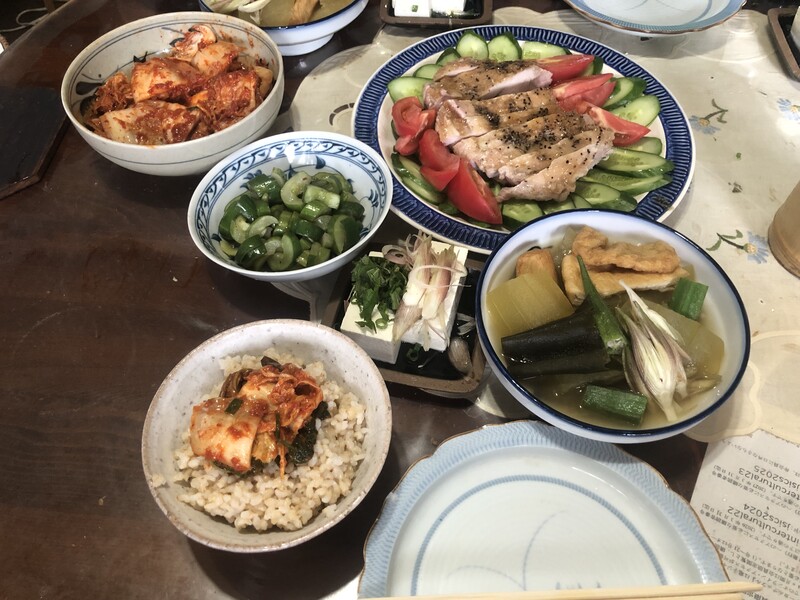
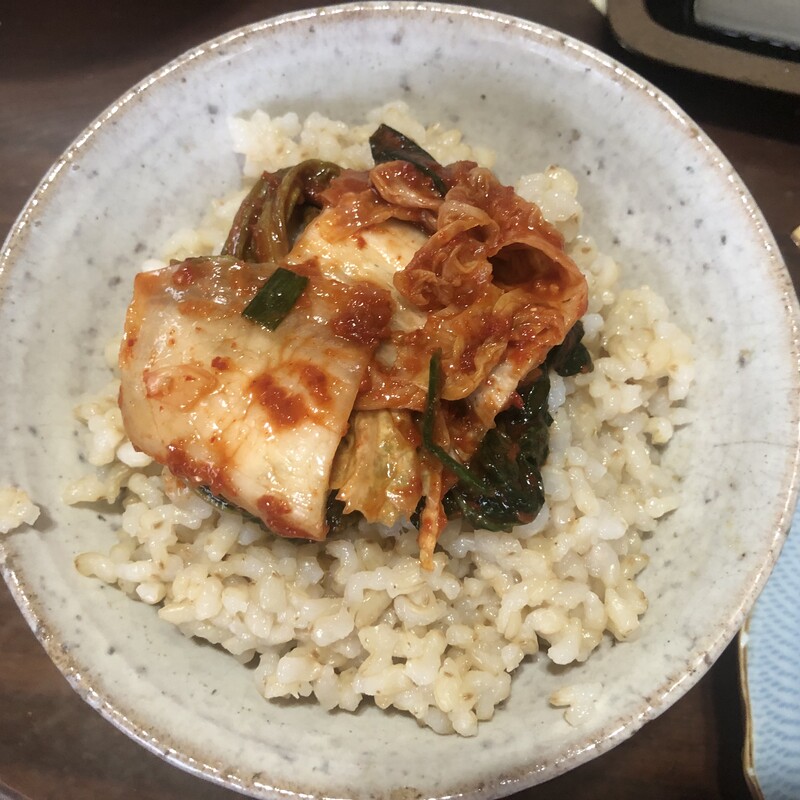
Japanese follows. 後ろに日本語があります。ニュージーランドの人類学者 E.P.さんによる、最近のできごとに取材した学術エッセーです。以下のリンク先には、Yeosuの魚市場の写真がありますが、ここではお米(玄米)と野菜はほぼ自給の我が家の食卓に闖入したキムチの写真を載せておきます。
https://www.serendipitousencounters.com/single-post/the-yeosu-kimchi-chronicles-a-cross-border-spicy-adventure
The Yeosu Kimchi Chronicles: A Cross-Border Spicy Adventure
In which an anthropologist, a plastic bag of fermented vegetables, and a nose flute conspire to create one of the most unusual mornings of my academic career.
I met with my colleague in the lobby that morning with the noble intention of visiting the old Yeosu Expo grounds—you know, the sort of dutiful cultural tourism that responsible conference attendees engage in when gifted with a free morning. But then a Japanese professor materialized with a Fish Market counter-proposal that would forever alter my relationship with pickled cabbage.
Now, this wasn’t just any Japanese professor. This was a man who had done fieldwork in Congo, carried mysterious musical instruments, and possessed that particular brand of academic confidence that comes from spending years studying people in the deep south of the Japanese archipelago where he hold a 50 years long conversation with a local seer. I thought to myself, “This could be promising.”
Here we were in Yeosu, in south Korea, attending the World Islands Forum—a gathering of scholars and practitioners who spend their time thinking Very Serious Thoughts about archipelagos and maritime communities. But with the morning stretching before us like an uncharted sea, what does one do? Especially when one’s previous Korean experience had been roughly as inspiring as airline food and twice as forgettable.
But this time felt different. The weather was fantastic, islands dotted the horizon, and everything felt familiar in a coastal Pacific Ocean way.
We climbed into a taxi, and our driver—bless his broken English—immediately launched into that universal interrogation: “Where you from?” As we approached the fish market, anticipation building like a proper academic argument, the professor made an offhand comment about kimchi, not sure what exactly, I was not paying close attention.
I was already halfway out of the cab, one foot touching the ground, when the driver suddenly performed what can only be described as an automotive pirouette. “New Zealand, get in!” he commanded, as if kimchi had just trumped fish in some cosmic hierarchy I hadn’t been informed about.
Before I could process this unexpected plot twist, we were spinning across the bridge from the fish market and coming to a halt in front of a little shop. “Best kimchi in Yeosu,” our driver declared with the authority of someone delivering state secrets. “Fish market just across bridge. You go after. Goodbye.”
And there we stood, abandoned by our taxi prophet in front of what appeared to be kimchi ground zero.
The shop was a study in carefully organized sparkling clean order: enormous bundles of green ingredients unique to the region stacked in the corner, while big metallic containers held the raw materials of fermentation. A group of women sat around a table at the back in what appeared to be either a pre-work coffee break or a much-deserved respite from early morning kimchi warfare. It was 9:30 AM—a time when civilized people consume coffee and contemplate the day ahead, not fermented cabbage products.
But hospitality, as any anthropologist worth their fieldwork boots will tell you, transcends the boundaries of appropriate breakfast foods. We were invited to taste test their morning’s production.
Now, let me be clear: I am not a kimchi enthusiast. My relationship with Korean fermented vegetables could generously be described as diplomatic—polite, cautious, and marked by mutual suspicion. But when faced with three small metal containers of fresh kimchi and a woman explaining which was most spicy and least spicy (a distinction that, to my palate, was roughly equivalent to “very hot” versus “molten lava”), one does not simply decline.
I let my colleagues go first—a strategic move that allowed me to gauge the appropriate facial expressions for survival. When my turn came, I discovered something remarkable: fresh kimchi in Yeosu tastes exponentially better than whatever I’d encountered in Seoul twenty years prior. It was like comparing a symphony to someone banging pots and pans.
It was then that the professor made his announcement: “I would like to buy some kimchi.”
I stared at him. “Really? What are you going to do with it? We’re here for two days. I don’t think you can take kimchi back to Japan.”
His response revealed the deep cultural wisdom that comes from years of anthropological training: “Look, someone has to buy something. We can’t just leave without buying something. Early in the morning, being the first customers and leaving empty-handed—that would bring them terrible luck.”
“Ah,” I thought, “the Congo fieldwork training in action.” Here was a man who understood the delicate economics of cultural exchange, the sacred relationship between guest and host that transcends mere commerce.
The kimchi was ceremoniously packaged with the precision of a NASA mission: plastic bag, Styrofoam container, professional-grade ice packs. Koreans, it appears, do not mess around when it comes to maintaining kimchi integrity during transport. This wasn’t just food packaging; it was temperature-controlled preservation technology.
Armed with our precious cargo, we finally made it to the fish market, which unfolded like a perfectly orchestrated theatre of maritime commerce. The formal section was spotlessly organized, undeniably a woman’s domain—every stall owner female, their licenses and photographs displayed with bureaucratic pride. The abundance was overwhelming: tanks upon tanks of fish, some of which were staging dramatic escape attempts.
But here’s where the professor truly distinguished himself: he was carrying this extraordinary musical instrument—a nose flute that produced melodic sounds when properly deployed. He used it as a cultural icebreaker, creating instant connections with the market women. Some were enchanted, others looked at him as if he’d landed from Mars carrying a kimchi container and making strange noises. Both reactions seemed perfectly reasonable.
We moved from the formal fish market through increasingly informal layers—covered arcades filled with makeshift stalls, women with basic buckets and boxes selling the day’s catch, the organized chaos spilling out into the streets where people sat under the sun hawking miscellaneous treasures.
Throughout this maritime exploration, the professor dutifully carried his kimchi cargo like some sort of fermented holy grail. Then, in a moment of sartorial panic, he announced: “I didn’t bring a white shirt for tomorrow’s conference presentation. Do you mind if we find one?”
And so we found ourselves meandering through back streets, searching for appropriate academic attire while carrying a container of kimchi that was probably approaching optimal fermentation temperature. He eventually settled on a shirt that was white-adjacent—not completely white, but the best available option in our kimchi-carrying circumstances.
Back at the hotel, we encountered our Korean host, and the professor recognized his moment: surely a Korean would appreciate fresh market kimchi! The anthropological gift exchange could reach its logical conclusion!
Alas, our host’s response was less than exuberant. “Well, kimchi ferments very quickly, and where am I going to put it while traveling?” he said, politely declining what the professor had clearly envisioned as the perfect cross-cultural offering.
We all stared at the kimchi container, performing rapid mental calculations: could three academics consume this much fermented cabbage in two days? The professor, demonstrating admirable optimism, deposited it in his hotel room fridge with a “let’s see what happens” shrug that perfectly captured the spirit of academic adventure.
The conference concluded, farewells were exchanged, and we dispersed to our respective corners of the Pacific Rim. But the story of the Yeosu kimchi was far from over.
Just a few days later, scrolling through Facebook with the dedication of a proper social media anthropologist, I spotted a post from my new Japanese professor friend: a photograph of rice accompanied by kimchi, with the caption noting that his rice, coming from his own farm, now had a proper Korean condiment.
I immediately messaged him: “Did you actually manage to get that kimchi through Japanese customs?”
His response was pure academic gold: “Well, there was a dog sniffing around me, and I had to declare I was carrying something from Korea. But because it was properly sealed, they let me through.”
And there you have it: the epic tale of Yeosu kimchi’s international journey, a fermented vegetable’s triumph over bureaucracy, customs dogs, and the general improbability of academic tourism. Somewhere in Japan, a Congo-trained anthropologist who plays nose flute is eating Korean kimchi with his own rice, creating the sort of beautiful cultural collision that makes this strange profession of ours worthwhile.
The kimchi had travelled further than most conference papers ever will, crossing borders, surviving customs inspections, and achieving what all good research should: connecting people across cultures through shared experience, one fermented cabbage leaf at a time.
以下は、DeepLによる機械翻訳です。pirouetteだけは、私がなおしました。
麗水キムチ・クロニクル(年代記):国境を越えたスパイシーな冒険
ある人類学者、発酵野菜の入ったビニール袋、そして鼻笛が共謀し、私の学術キャリアにおいて最も非日常な朝の一つを生み出した物語。
その朝、同僚とロビーで待ち合わせたのは、立派な目的があったからだ。旧麗水エキスポ会場を訪れるという、責任ある学会参加者が自由な朝を贈られた時に従順に行う文化観光のようなものだ。ところがそこに現れた日本人教授が、魚市場を舞台にした対案を持ち出したことで、私のキムチとの関係は永遠に変わることになる。
さて、この教授はただの日本人教授ではない。コンゴでフィールドワークを行い、謎めいた楽器を携え、日本列島の最南端で50年にわたり地元の預言者と対話を重ねてきた者特有の学究的自信をたたえた人物だ。私は思った。「これは期待できそうだ」と。
我々は今、韓国南部の麗水(ヨス)にいた。世界諸島フォーラムに参加するためだ——島じまと海洋コミュニティについて非常に深刻な考察を続ける学者や実務家が集う場である。だが未踏の海のように広がる朝を前に、一体何をすべきか? 特にこれまでの韓国体験が機内食並みに刺激的で、その倍忘れやすいものだった者にとっては。
しかし今回は違った。天気は素晴らしく、水平線には島々が点在し、すべてが太平洋沿岸のどこか懐かしい感覚を帯びていた。
タクシーに乗り込むと、運転手は(たどたどしい英語ながら)すぐに世界共通の質問をぶつけてきた。「どこから来たの?」魚市場に近づくにつれ、学術的な議論のように期待が高まる中、教授がキムチについて何気ないコメントをした。正確には何と言ったか覚えていない。私はあまり注意を払っていなかったのだ。
タクシーから片足を地面につけ、もう半分外に出かかっていたその時、運転手が突然自動車版つま先回転としか言いようのない動きを見せた。「ニュージーランド、乗れ!」と彼は命令した。まるでキムチが、私が知らされていなかった宇宙的な階層において魚を打ち負かしたかのように。
この予想外の展開を理解する間もなく、我々は魚市場から橋を渡って旋回し、小さな店の前で停車した。「麗水で一番のキムチだ」と運転手は国家機密を伝える者のような威厳で宣言した。「魚市場は橋の向こうだ。後で行け。さようなら」
こうして我々は、タクシーの預言者に置き去りにされ、キムチの聖地とも言うべき場所の前に立ち尽くした。
店は入念に整理された清潔感あふれる空間だった。隅にはこの地方特有の緑の食材が巨大な束で積み上げられ、大きな金属容器には発酵の原料が収められている。奥のテーブルには女性たちが座り、仕事の前のコーヒーブレイクか、あるいは早朝のキムチ戦争から得た当然の休息のひとときを過ごしているようだった。午前9時半——文明人がコーヒーを飲みながら一日の計画を立てる時間だ。発酵キャベツ製品を味わう時間ではない。
しかし、フィールドワークの靴を履く価値ある人類学者なら誰でも言うように、もてなしの心は朝食の種類という境界を超越する。私たちはその朝仕込んだキムチの試食に招かれた。
さて、はっきり言っておくが、私はキムチ愛好家ではない。韓国発酵野菜との関係は、寛大に表現すれば「外交的」——礼儀正しく、慎重で、相互の疑念に満ちたものだった。しかし、新鮮なキムチが詰まった小さな金属容器が三つ並び、女性がどれが最も辛くどれが最も辛くないかを説明している(私の味覚では、その区別は「非常に辛い」と「溶岩のように熱い」の差に等しかった)状況で、断るわけにはいかない。
同僚に先に食べてもらうことにした——生存に必要な適切な表情を測るための戦略的行動だ。私の番が回ってきた時、驚くべき発見があった:麗水の新鮮なキムチは、20年前にソウルで味わったものとは比べ物にならないほど格段に美味だった。まるで交響曲と鍋やフライパンを叩く音を比較するようなものだった。
その時、教授が宣言した。「キムチを買いたい」
私は教授を呆然と見つめた。「まさか? それをどうするつもりなの? 滞在はあと二日間。キムチを日本まで持ち帰れるとは思えないわ」
彼の返答には、長年の人類学研究から培われた深い文化的知恵がにじんでいた。「ほら、誰かが何かを買わねばならない。何も買わずに立ち去るわけにはいかないよ。早朝に最初の客として訪れて、手ぶらで帰るなんて――店の商売に不運をもたらすだろう」
「なるほど」と私は思った。「コンゴでのフィールドワーク訓練が実を結んだのだ」 ここには、単なる商取引を超えた、客人とおもてなしの間の神聖な関係、文化的交流の繊細な経済学を理解する男がいた。
キムチはNASAのミッション並みの精密さで儀式的に包装された:ビニール袋、発泡スチロール容器、プロ仕様の保冷剤。韓国人は、輸送中のキムチの品質維持に関しては、決して手を抜かないようだ。これは単なる食品包装ではなく、温度管理された保存技術だった。
貴重な荷物を携え、ようやく魚市場に到着すると、そこは海産物取引の完璧に演出された劇場のように広がっていた。正式な区域は完璧に整然としており、紛れもなく女性の領域だった——すべての店主は女性で、免許証と写真が官僚的な誇りをもって掲示されていた。その豊かさは圧倒的だった:無数の水槽に魚が泳ぎ、中には劇的な脱出を試みるものもいた。
しかしここで教授が真に際立ったのは、彼がこの非凡な楽器——正しく奏でれば旋律を奏でる鼻笛——を携えていたことだ。彼はこれを文化的なアイスブレイカーとして使い、市場の女性たちとの瞬時の繋がりを生み出した。魅了される者もいれば、キムチの容器を抱え奇妙な音を立てながら火星から降り立ったかのような目で彼を見る者もいた。どちらの反応も全く理にかなっているように思えた。
私たちは正式な魚市場から次第に非公式な領域へと移動した——仮設の屋台が並ぶ屋根付きアーケード、その日の漁獲物をバケツや箱で売る女性たち、組織化された混沌が路上に溢れ出し、人々が日陰で様々な宝物を売り歩く光景だ。
この海辺の探検中、教授はキムチの荷物をまるで発酵した聖杯のように忠実に運んでいた。ところが突然、服装に関するパニックに襲われ、こう宣言した。「明日の(実際は今日の午後の)学会発表用の白いシャツを持ってきてないんだ。探してもいいかな?」
こうして私たちは裏路地をさまよいながら、おそらく最適な発酵温度に近づきつつあるキムチの容器を抱えつつ、適切な学術的服装を探し求める羽目になった。結局、彼は「ほぼ白」のシャツを選んだ——完全な白ではないが、キムチを運ぶ状況下で入手可能な最良の選択肢だった。
ホテルに戻ると、韓国人ホストと遭遇した。教授はチャンスと見た:韓国人なら新鮮な市場のキムチを喜ぶに違いない! 人類学的贈り物交換が論理的結末を迎える時だ!
しかし残念ながら、ホストの反応は熱狂的とは程遠かった。「キムチは発酵が早いし、旅行中にどこに置くんだ?」と彼は言い、教授が完璧な異文化交流の贈り物と確信していた品を手際よく断った。
我々は皆、キムチの容器を凝視し、頭の中で素早く計算した――三人の学者が二日間でこの量の発酵キャベツを消費できるだろうか?教授は見事な楽観主義を示し、ホテルの冷蔵庫にキムチを収めると「どうなるか見てみよう」と肩をすくめた。その仕草は学術的冒険の精神を完璧に体現していた。
会議は閉幕し、別れを告げて私たちは環太平洋のそれぞれの地へと散っていった。しかし麗水キムチの物語は、まだ終わっていなかった。
ほんの数日後、ソーシャルメディア人類学者として熱心にFacebookをスクロールしていると、新しく知り合った日本人の教授の投稿が目に入った。キムチを添えたご飯の写真で、キャプションには「自家農園の米に、ついに本場の韓国調味料が添えられた」と記されていた。
私は即座にメッセージを送った。「あのキムチ、本当に日本の税関を通せたんですか?」
返ってきた答えは学術的に見事なものだった。
「犬が周りを嗅ぎ回ってたから、韓国から何か持ってきたって申告したよ。でもちゃんと密封されてたから通してくれた」
こうして、麗水キムチの国際的旅路という壮大な物語は完結した。発酵野菜が官僚主義と税関犬、そして学術旅行の常なる不確実性を打ち破った勝利の物語である。日本のどこかで、鼻笛を奏でるコンゴ育ちの人類学者が、自らの炊いたご飯と共に韓国キムチを食している。この奇妙な職業に意義を見出させる、美しい文化の衝突が今、起こっているのだ。
このキムチは、ほとんどの学会発表論文が到達することのない領域まで旅した。国境を越え、税関検査を生き延び、優れた研究が成すべきことを成し遂げたのだ——発酵した白菜の葉一枚一枚を通じて、文化を越えた人々の絆を紡ぐという使命を。
